
Chemical Hygiene & Chemical Handling Training | OSHA 29 CFR 1910.1450
Inspection-Ready Chemical Hygiene Programs
Chemical Hygiene and proper chemical handling are foundational to workplace safety in laboratories, healthcare, biotech, and industrial environments. EDJ provides Chemical Hygiene and Chemical Handling training that ensures employees understand how chemicals are used, stored, controlled, and managed safely in daily operations.
Our training focuses on practical application - helping staff recognize hazards, follow established controls, and maintain compliance without disrupting workflows.
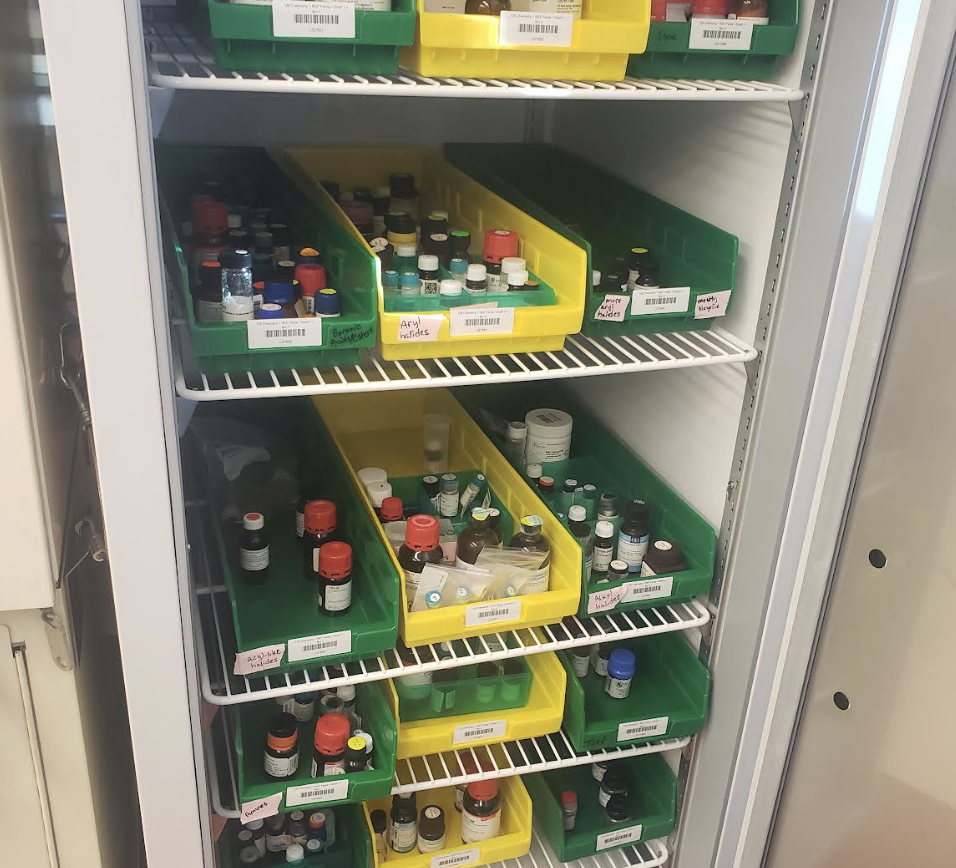
OSHA Laboratory Standard (29 CFR 1910.1450) Requirements
Chemical Hygiene training is required under OSHA’s Laboratory Standard, 29 CFR 1910.1450, and applies to laboratories and work environments where hazardous chemicals are used or stored. Elements of chemical handling requirements also extend across OSHA, EPA, fire code, and state-specific regulations.
Employers must establish and implement a Chemical Hygiene Plan (CHP) designed to protect employees from health hazards associated with hazardous chemicals. EDJ delivers training that aligns written Chemical Hygiene Plans with real-world practices - ensuring procedures are followed consistently and stand up during inspections.
Topics Covered in Chemical Hygiene Training
Chemical Hygiene & Handling
Hazard identification and risk evaluation
Safe handling and use of hazardous chemicals
Chemical compatibility and segregation
Proper storage practices and containment
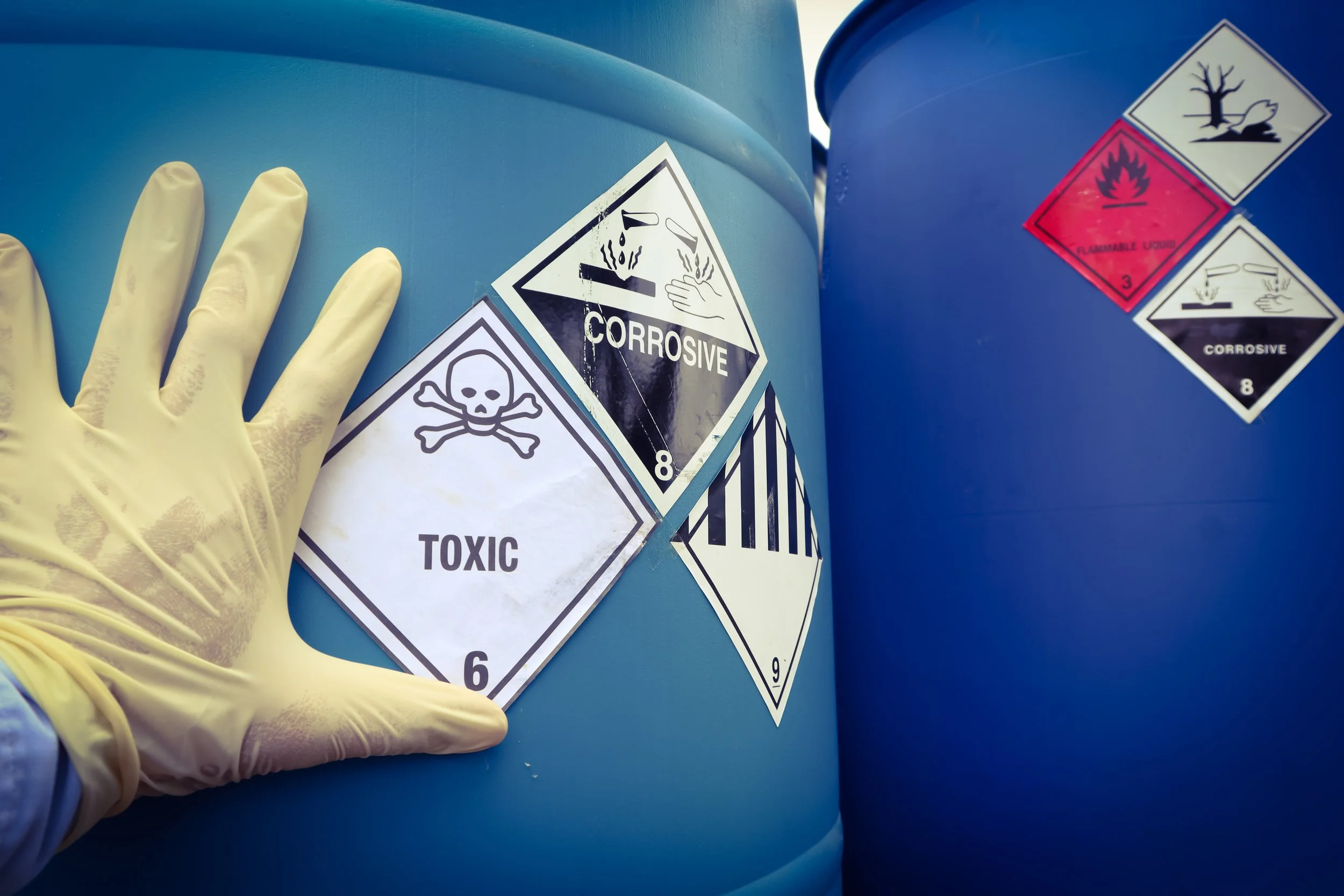
Use of Safety Data Sheets (SDS) in daily operations
Personal protective equipment (PPE) selection and use
Spill prevention and response procedures
Exposure Control & Compliance
Routes of chemical exposure and health effects
Engineering controls (fume hoods, ventilation systems)
Administrative controls and safe work practices
Monitoring and minimizing employee exposure
Alignment with OSHA Laboratory Standard (29 CFR 1910.1450)
Documentation and compliance expectations
Workplace & Laboratory Safety
Emergency equipment (eyewash stations, safety showers)
Chemical spill and incident response
Safe chemical transfer and transport within facilities
Housekeeping and contamination prevention
Identification of unsafe conditions and behaviors
Chemical Hygiene Plan (CHP) Requirements
Required elements of a Chemical Hygiene Plan
Standard operating procedures for chemical use
Chemical-specific safety procedures
Storage, handling, and disposal considerations
Program review and update expectations
Recordkeeping and documentation requirements
Department-Specific Processes
Especially for healthcare, biotech, and research environments:
Laboratory practices
Pathology and diagnostic workflows
Research and development activities
Chemical preparation and material transfers
Coordination with pharmaceutical and hazardous waste programs
Integration with broader environmental health and safety systems
Who Needs Chemical Hygiene & Handling Training?
Chemical Hygiene and Chemical Handling training is required for employees who work with or may be exposed to hazardous chemicals as part of their job duties, including but not limited to:
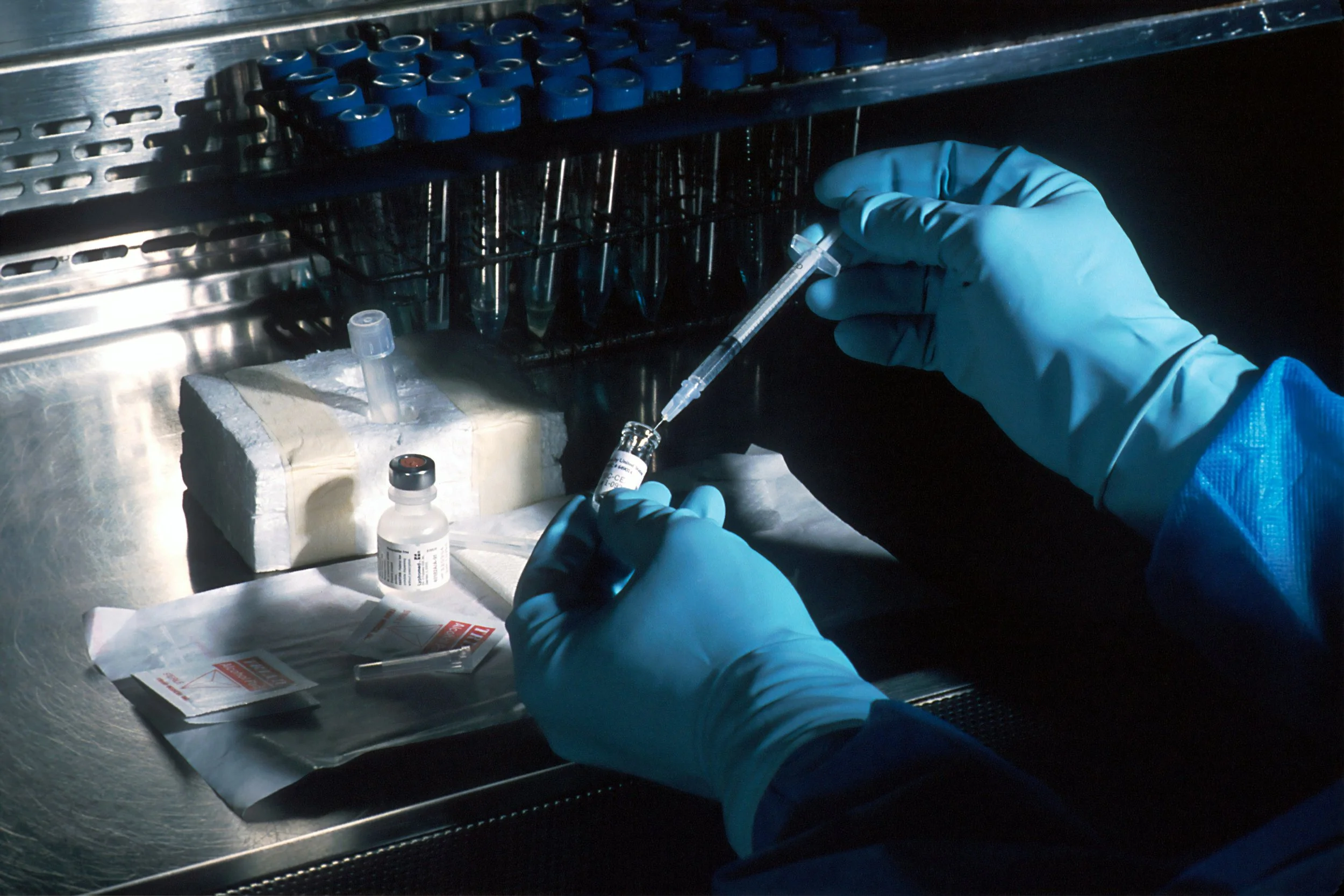
Laboratory personnel working with chemical reagents
Healthcare and biotech staff handling hazardous materials
Research and development teams
Manufacturing and production staff handling chemicals
Maintenance personnel supporting chemical-use areas
Supervisors responsible for chemical safety and oversight
This training applies to employees working under normal operating conditions and during foreseeable emergency situations.
What Employees Learn in Chemical Hygiene & Handling Training
Identify chemical hazards present in their work area
Understand approved handling, storage, and use procedures
Apply exposure control measures and safe work practices
Use engineering controls and personal protective equipment (PPE) correctly
Recognize signs and symptoms of chemical exposure
Respond appropriately to spills, releases, and chemical-related emergencies
Training is tailored to the materials, workflows, and chemical risk profile of each facility.
Chemical hygiene depends on consistent handling proper controls and disciplined daily practices.


Need Compliance Services?
If your needs extend beyond training into system development, program evaluation, or regulatory alignment, our Compliance Solutions provide the structure and oversight to support long-term compliance.